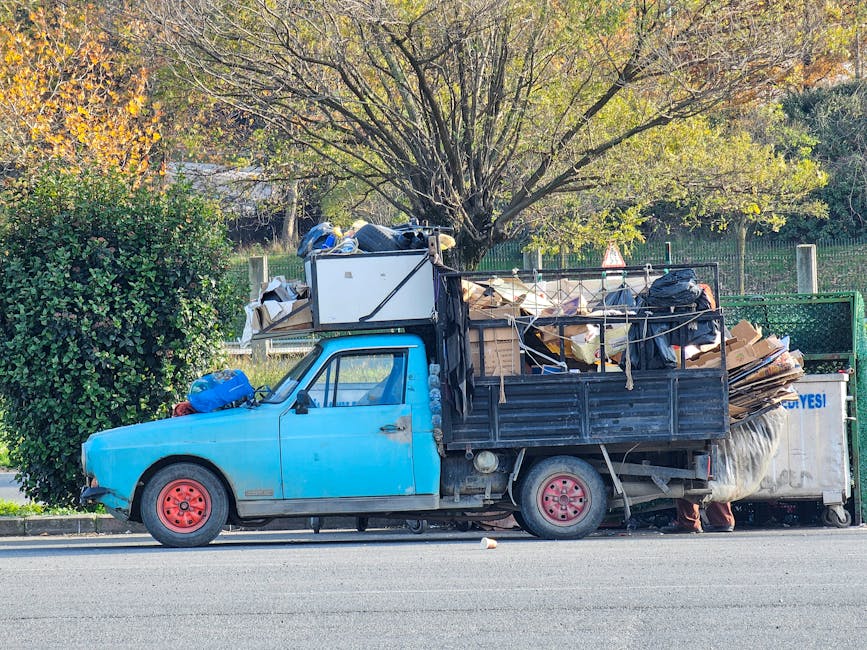
Leatherhead Road rubbish collection for tight access properties
If you live or work on Leatherhead Road and getting waste out feels like a puzzle, you are not alone. Narrow side alleys, awkward rear entrances, shared driveways, steep steps, low gates and parked cars can turn a simple clear-out into a bit of a faff. That is exactly where Leatherhead Road rubbish collection for tight access properties needs a more careful, more flexible approach.
This guide explains how tight-access rubbish collection works, what to expect on the day, which mistakes to avoid, and how to prepare your property so the job is quicker, safer, and less stressful. Whether you are clearing household junk, bulky furniture, garden waste, builders' debris or office rubbish, the same basic principle applies: plan the access first, then the collection.
To make the process easier, it also helps to understand the wider waste options available, from general waste removal to specialist services like furniture disposal, builders' waste clearance, and office clearance. Not every property needs the same method. Tight access changes everything, really.
Table of Contents
- Why Leatherhead Road rubbish collection for tight access properties Matters
- How Leatherhead Road rubbish collection for tight access properties Works
- Key Benefits and Practical Advantages
- Who This Is For and When It Makes Sense
- Step-by-Step Guidance
- Expert Tips for Better Results
- Common Mistakes to Avoid
- Tools, Resources and Recommendations
- Law, Compliance, Standards, or Best Practice
- Options, Methods, or Comparison Table
- Case Study or Real-World Example
- Practical Checklist
- Conclusion
- Frequently Asked Questions
Why Leatherhead Road rubbish collection for tight access properties Matters
Tight access sounds like a small issue until you are standing in the hallway with a sofa that will not turn, a pile of renovation rubble by the back gate, or a stack of bags that will not fit down the side passage. Then it becomes obvious very quickly why the access route matters just as much as the rubbish itself.
On roads like Leatherhead Road, properties can vary a lot. Some have straightforward front access, while others have shared paths, compact yards, basement steps, internal corridors, limited kerbside space, or access that is fine for a person but not for bulky waste. In those cases, collection needs more than a van and a pair of hands. It needs planning, judgement, and the right equipment.
The practical value is simple:
- less risk of damage to walls, flooring, doors, and railings
- less time wasted on site trying to force a bad plan to work
- safer lifting and moving for everyone involved
- better chance of recycling and sorting waste properly
- fewer surprises with volume, weight, or item type
And let's face it, no one wants waste sitting around for days because the original plan fell apart. A good collection service should adapt to the property, not the other way around.
It also matters for neighbours. If access is shared, a careful collection reduces disruption, blocks, noise, and the odd annoyed glance from next door. Small thing, but it counts.
How Leatherhead Road rubbish collection for tight access properties Works
The best tight-access collections start before the vehicle arrives. In practice, the process usually begins with a quick description of the property: width of gates, staircase turns, basement access, parking restrictions, whether waste is inside or outside, and what kind of items need removing. A photo or two can save a lot of time, though even a simple verbal description helps more than people expect.
From there, a sensible collection plan might include one or more of the following:
- smaller loads moved in stages rather than one big carry-out
- more than one operative for awkward or heavy items
- protective moving methods for tight hallways or stairwells
- careful parking and timed arrival to avoid access bottlenecks
- separating recyclable material from mixed waste where possible
For some properties, it is a straightforward carry from a front room to the vehicle. For others, the crew may need to work around corners, through narrow passages, or down a few steps with bulky items. That is where experience matters. Anyone can say they can remove waste. Fewer people know how to do it without scratching a bannister or slowing everything down to a crawl.
For example, a flat clearance on the road may involve furniture, bags of mixed household waste and a couple of awkward items like a mattress or fridge. In that situation, the method may be closer to a flat clearance than a standard kerbside uplift. If the job includes one-off bulky items, mattress and sofa disposal or fridge and appliance removal may be the better fit.
Most importantly, tight access collection is about matching the method to the space. It is not glamorous. But it works.
Key Benefits and Practical Advantages
There are real advantages to using a collection approach built around restricted access, especially in older or more compact properties.
1. Less disruption at the property
Instead of dragging waste through a route that barely fits, the removal is organised to keep movement smooth. That means fewer trips back and forth, less clutter left in the way, and a calmer job overall.
2. Better protection for the property
Walls, frames, steps and floors are the things that suffer when waste is forced through awkward spaces. A careful collection reduces avoidable bumps and knocks. In many cases, that is the biggest reason people choose a professional service rather than asking a few mates to help at the weekend.
3. Faster clear-outs
Oddly enough, taking a little extra time to plan access often speeds up the job. Once the route is clear and the team knows what is coming out first, the collection tends to move more efficiently. There is less stop-start faffing around.
4. Safer handling of heavy items
Heavy waste is awkward at the best of times. On stairs or in narrow spaces, it becomes a proper lifting risk. A good service lowers that risk by using the right handling approach and not overloading anyone in one go.
5. More suitable for mixed waste types
Homes and small businesses on tight-access plots rarely generate one neat pile of identical waste. It is usually a mix: cardboard, broken furniture, garden cuttings, old appliances, renovation debris, or office clutter. An adaptable collection model handles that mix more neatly than a one-size-fits-all option.
Who This Is For and When It Makes Sense
This kind of collection is useful for a broad mix of people. Some know they have tight access from day one. Others discover it the hard way halfway through a clear-out. Both are common enough.
- households with narrow side access or no rear vehicle access
- flat residents dealing with shared entrances, stairwells or internal corridors
- landlords clearing a property between tenancies
- homeowners renovating kitchens, bathrooms or loft spaces
- small businesses moving out of compact offices or storage rooms
- garden owners with limited gate access for waste bags or branches
It also makes sense when items are bulky rather than numerous. One sofa, a few wardrobes, a fridge, a mattress, or builders' rubble can be more awkward than twenty small bin bags. Shape matters. Weight matters. Turning space matters. If you know, you know.
If the job is a mixed property clear-out, the relevant service may sit alongside home clearance, house clearance, loft clearance, or garage clearance. Each one can be adapted to the access conditions, which is the bit people often overlook.
Step-by-Step Guidance
Here is the simplest way to handle a tight-access rubbish collection without making it harder than it needs to be.
- List the waste clearly. Write down what needs removing, including bulky items, loose bags, rubble, garden waste, and anything awkward like appliances or shredding.
- Describe the access route. Mention narrow gates, stairs, low ceilings, shared pathways, locked entrances, parking limits, and any spots where a large item has to turn.
- Send photos if possible. A few quick photos of the access point, item sizes, and where the waste is stored can prevent a wrong-sized vehicle or an underplanned visit.
- Sort obvious problem items early. Separate anything hazardous, sharp, wet, leaking, or unusually heavy. Don't leave it hidden in the pile and hope for the best.
- Clear the route inside. Move mats, bikes, planters, children's toys, and anything else that will turn a narrow passage into an obstacle course.
- Check parking and timing. If the vehicle needs close access, think about where it can stop safely and legally. A five-minute delay because of a parked car can snowball fast.
- Confirm the collection method. Make sure everyone understands whether items are being taken from inside, from the garden, from the front, or from a mixture of places.
- Do a final walkthrough before loading starts. This is the moment to catch the random extra bag in the shed or the old fan in the corner. There is always one more item, usually.
A good day's collection feels almost boring in the best way: no panic, no drama, just a steady flow of items out and space back in.
Expert Tips for Better Results
After enough collections in awkward spaces, a few things become very clear.
Keep the access story simple and accurate
People sometimes over-explain, then miss the one crucial detail, like a narrow turning point halfway down the path. Focus on the things that would actually affect a carry route.
Measure the pinch points
If you can, measure gate width, hallway width, and staircase turns. Even rough numbers help. You do not need to turn into a surveyor. Just enough detail to prevent avoidable trouble.
Place waste where it is easiest to lift
If you have a choice, stage items as close to the most practical exit as possible. A sofa placed in the front room with a clear route is far easier than one wedged behind stacked boxes in a back bedroom.
Separate items by type
Mixed piles are slower. If you can group furniture, bags, green waste, and rubble separately, the loading process becomes cleaner and usually quicker.
Think about weather and ground conditions
Wet steps, muddy side returns, or icy paving can make a tight-access job much less friendly. A damp morning in winter changes the feel of a site more than people expect.
And yes, a bit of preparation can feel tedious. But it usually saves time, money, and stress later. That is fair trade.
Common Mistakes to Avoid
Most problems on tight-access jobs come from a small handful of avoidable mistakes.
- Under-describing the access. "It's a bit tight" does not tell anyone much. Be specific.
- Leaving the biggest items for last. If a sofa or wardrobe is the hardest thing to move, do not bury it behind ten easier items.
- Ignoring parking restrictions. A collection can unravel quickly if the vehicle cannot get near the property.
- Mixing hazardous material with general rubbish. This is one to take seriously. Keep it separate and declare it properly.
- Forgetting about internal access. A wide front gate is useless if the hallway bend is too sharp for a fridge.
- Choosing a method before checking the access. Sometimes people book the wrong type of uplift because they focused on waste volume, not the route.
The biggest mistake? Assuming access is the same as capacity. It is not. A property can have plenty of waste but very little movement space, and that changes the whole job.
Tools, Resources and Recommendations
You do not need a van full of specialist gear to get organised, but a few practical tools help a great deal.
- Tape measure: useful for gate widths, doorway gaps, stair turns, and appliance dimensions
- Phone camera: ideal for showing access points and waste piles without long descriptions
- Strong gloves: sensible for sorting sharp or dusty items
- Marker pens or labels: helpful if waste is being separated into categories
- Old sheets or cardboard: can protect floors and make movement smoother in very narrow routes
For bigger jobs, it also helps to understand how different services work together. For example, renovation waste may fit under builders' waste clearance, while office furniture and paperwork may sit better under business waste removal or confidential shredding. If you are clearing a few bulky items only, a dedicated furniture service can be the cleaner option.
For readers who are unsure about mixed loads, the page on what can go in a skip can also help you think through what belongs together and what needs separate handling. Not every tight-access property is a skip-friendly property, to be fair.
Law, Compliance, Standards, or Best Practice
Waste collection in the UK needs to be handled carefully, especially where items may be bulky, sharp, contaminated, electrical, or potentially hazardous. Without getting too legalistic, the sensible rule is this: make sure waste is handled by a provider that can manage it lawfully and responsibly, and do not leave unclear items mixed into general rubbish.
Best practice for tight-access collection usually includes:
- clear identification of waste type before the job
- safe manual handling where lifting space is limited
- careful route planning to avoid damage and injury
- proper segregation of any hazardous or specialist waste
- respect for property access, neighbours, and shared areas
If you are disposing of items that may need special handling, such as chemicals, fluids, or certain electrical waste, treat them differently and flag them in advance. The same applies to damaged fridges or appliances, which are often more awkward than they look. A tidy pile can still hide a problem item.
For peace of mind, it is wise to review practical trust pages such as health and safety guidance, insurance and safety information, and recycling and sustainability. Those pages help show how a collection service thinks about risk, protection, and responsible disposal rather than just "removing stuff".
Options, Methods, or Comparison Table
When access is tight, the best collection method depends on the waste type, the route, and how quickly the property needs to be cleared. Here is a simple comparison.
| Method | Best for | Strengths | Limitations |
|---|---|---|---|
| Manual collection in stages | Small to medium loads with narrow routes | Flexible, careful, good for awkward access | Takes longer for large volumes |
| Bulky-item removal | Sofas, mattresses, appliances, wardrobes | Efficient for one-off large items | May need more planning for turns and stairs |
| Full property clearance | House, flat, loft, garage or office clear-outs | Best for mixed waste and larger jobs | Needs more detailed access planning |
| Builders' waste clearance | Renovation debris, rubble, timber, plasterboard-type waste | Good for site-like loads | Heavier materials can be harder to move through tight spaces |
In many tight-access situations, a staged manual clearance ends up being the most practical choice. It is not always the fastest on paper, but it is often the least troublesome in real life.
Case Study or Real-World Example
Picture a compact property on Leatherhead Road with a rear lane that is just wide enough for bins, but not much else. The resident needs old furniture removed from the front room, a few bags from the loft, and some garden waste from a narrow side return. A standard "turn up and load everything" approach would struggle.
Instead, the job is handled in a sensible order. The crew starts with the easiest items near the exit, then works through the loft bags, and finally clears the heavier furniture once the route is fully open. The garden waste is bagged and moved last because it is damp and a little messy. No drama, no damaged paintwork, no blocked passage left halfway through the day.
That sort of job may not sound dramatic, but it is exactly the kind of clear-out where a tight-access plan saves the most stress. The resident gets the space back, the route stays manageable, and the whole thing feels far less chaotic than expected. Which, if we are honest, is usually the goal.
Practical Checklist
Use this checklist before your collection day.
- List every item that needs removing
- Identify any bulky, heavy, sharp, wet, or awkward waste
- Measure narrow gates, hallways, turns, and stairways if needed
- Take photos of the access route and waste pile
- Clear pathways, steps, and doorways
- Check parking space and access times
- Separate general waste from specialist items
- Flag anything that may need special handling
- Keep children, pets, and trip hazards out of the way
- Make sure the collection point is easy to reach first thing
If you can tick most of those off, you are already well ahead of the average collection job.
Get a free quote today and see how much you can save.
Conclusion
Leatherhead Road rubbish collection for tight access properties is really about one thing: making waste removal work with the property, not against it. When access is narrow, shared, awkward, or limited, the best results come from clear communication, practical preparation, and the right removal method for the job.
If you plan the route, separate the waste properly, and choose a service that understands tight spaces, the whole process becomes calmer and more predictable. That matters whether you are clearing one bulky item or a full property. And honestly, a smooth clearance feels good. You notice the extra space immediately, the quiet afterwards, the breathing room.
For more about the people behind the service, you can also read the about us page or review the practical details on pricing and quotes and book online. If you are ready to talk through a specific access challenge, the next step is usually simpler than you think.
Sometimes the hardest part is just getting started. Once the plan is clear, the rest tends to fall into place.
Frequently Asked Questions
What counts as a tight access property for rubbish collection?
Usually it means any property where bins, bulky items, or waste bags cannot be moved out through a normal clear route without careful planning. That might include narrow side passages, steep steps, shared hallways, awkward corners, or limited parking close to the property.
Can rubbish be collected from inside a flat or house with narrow stairs?
Yes, often it can. The key is to describe the stair width, turns, and landing space in advance. In many cases, a staged carry-out works better than trying to move everything at once.
Is tight access rubbish collection more expensive?
It can be, depending on the time, labour, and complexity involved. A simple job may not change much, but awkward access sometimes needs extra handling or more time on site. A proper quote is the only sensible way to know.
What if I do not know whether a sofa or fridge will fit out of the property?
Take a photo and, if possible, measure the narrowest points on the route. That usually gives enough information to decide whether the item can be moved safely or whether an alternative approach is better.
Do I need to clear the access route before collection day?
Yes, as much as you can. Moving shoes, bikes, planters, tools, and loose items out of the way makes the process safer and faster. It also reduces the chance of damage to the property.
Can builders' waste be removed from a property with limited access?
Usually yes, although heavier debris and rubble may need more planning. If the waste is from renovation work, a dedicated builders' waste clearance approach is often the neatest option.
What types of items are hardest to remove through tight spaces?
Large sofas, wardrobes, mattresses, fridges, appliances, and long awkward items like shelves or worktops are often the hardest. Weight and shape matter just as much as size, sometimes more.
Can waste be collected from a garden with a narrow gate?
Yes, if the route is described properly and the waste is manageable in size and weight. Garden waste is often fine, but wet branches, soil, or mixed garden debris can be heavier than they look.
How should hazardous or specialist waste be handled?
Keep it separate and tell the provider about it before the collection. Do not mix it into general rubbish. Items that may need special handling should always be flagged early, especially if they are sharp, leaking, or electrical.
What if there is no parking directly outside my property?
That does not always stop a collection, but it does change the planning. The team may need to work with a slightly longer carry distance, a timed arrival, or a different loading point. It is best to mention this before booking.
Is this the same as a standard waste removal service?
It sits under waste removal, but it is more specialised because the access route is part of the job. A standard collection might assume easy loading. Tight-access collection is built around the realities of the property itself.
What is the best first step if I am unsure how to describe my access?
Take a few photos and write a simple note about the narrowest points, any steps, and where the waste is located. That small bit of prep usually makes the whole enquiry much easier and gives a much more accurate recommendation.